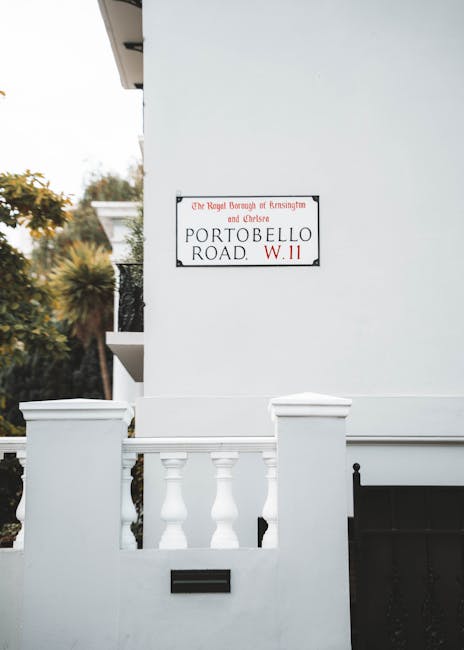
Gardening Services in Notting Hill
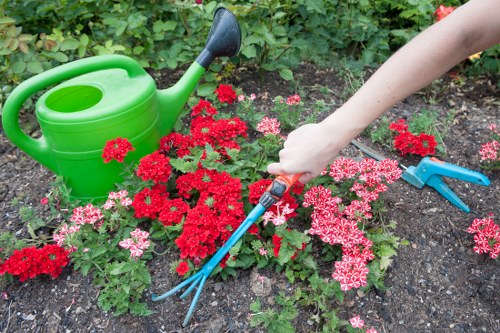
Gardening Services in Notting Hill can cover regular upkeep, one-off tidying and practical improvements for front gardens, shared outdoor spaces and private plots. Our work focuses on clear, usable results: keeping planting areas under control, reducing overgrowth, and shaping outdoor spaces so they remain easy to manage. Whether you need routine attention or a more involved seasonal visit, we aim to match the work to the space rather than forcing a one-size-fits-all approach.
Many gardens in this part of west London combine compact layouts with a mix of lawn, borders, planters, hedging and paved areas. That often calls for a careful, methodical service rather than heavy-handed clearance. We can support trimming, mowing, border clean-up and removal of unwanted growth, along with broader garden maintenance where several tasks need to be handled together. The aim is simple: keep the outside space neat, healthy and straightforward to look after.
For a clearer idea of what you need, it helps to think about the finished result first. Some properties only need the lawn cut and the edges sharpened; others need hedge work, debris removal and a full tidy after a period of neglect. If you are planning changes or want to make the garden easier to use, start with the main priorities and build from there. You can request a quotation once you have a basic picture of the work.
Routine Garden Maintenance
Regular garden maintenance keeps growth under control and helps outdoor areas stay presentable between more involved visits. This can include mowing, edging, weeding, deadheading and light pruning, depending on what the garden needs at the time. In practical terms, maintenance is about consistency: stopping small jobs from becoming larger tasks and keeping every area in a condition that is easier to live with and easier to manage.
We can approach maintenance as a repeating schedule or as a one-off restoration of order before returning to lighter follow-up work. For many customers, the useful decision is whether the priority is appearance, plant health or simple access. A tidy front area may need the borders cleared and paths kept open, while a rear garden might need more attention around shrubs and overhanging growth. Our service can be shaped around those differences without unnecessary extras.
What regular maintenance may include
Typical maintenance tasks can involve several small but important jobs carried out in a sensible order. These may include:
- lawn mowing and edge definition
- weed removal from beds, borders and paved areas
- light pruning of suitable shrubs and soft growth
- clearing fallen leaves and small garden debris
- cutting back plants that are starting to encroach on paths or seating areas
Lawn Mowing And Edge Care

Lawn mowing is often the simplest way to improve the look of a garden quickly, but the real difference usually comes from the finishing details. Edging, tidying around obstacles and dealing with clippings properly can make a lawn look cared for rather than merely cut. In smaller Notting Hill gardens, those finishing touches matter because the lawn may sit close to borders, planters, fencing or paved sections.
We can handle lawns that need a straightforward cut as well as grass that has grown longer than usual and requires a more careful approach. If the lawn has uneven patches, awkward corners or lots of features to work around, it is worth setting out those points when asking for a quotation. That helps us understand whether the job is a quick pass or a more detailed visit with extra finishing work.
Some gardens only need seasonal mowing, while others benefit from more regular attention through the growing months. It is also sensible to think about access to the lawn, whether cuttings need collecting, and whether the surrounding areas should be swept once the mowing is complete. These details help us plan the work cleanly and keep the result tidy.
Hedge Trimming And Light Shaping
Hedge trimming helps maintain structure, privacy and neat boundaries around a property. A hedge that is regularly cut can be kept compact and controlled, while a hedge left too long may begin to lose shape or encroach into paths, drives and neighbouring spaces. The aim is usually not simply to reduce height, but to restore a defined line and a balanced appearance.
We can trim hedges to suit the space, the growth pattern and the desired finish. Some hedges need a light tidy to sharpen the outline; others need more substantial reduction to bring them back within a manageable size. Where there are mixed planting schemes, careful shaping may be preferable to a uniform cut, especially if the hedge forms part of a wider design rather than acting only as a boundary.
When thinking about hedge work, it is useful to decide whether the task is about appearance, access or control. If branches are leaning into a walkway or a hedge has become too wide for the available space, those practical concerns can shape the job. Our approach is intended to keep the result balanced and appropriate for the garden rather than simply cutting everything to the same level.
Garden Clearance And Overgrowth Removal

Garden clearance is the right choice when a space needs more than a tidy-up. It may involve removing dense growth, gathering up cuttings, clearing accumulated plant waste and opening up an area that has become difficult to use or maintain. For neglected gardens, the first step is often to restore access and visibility so that the rest of the work can be handled properly.
Clearance can also be useful after seasonal drop, renovation work or periods when a garden has not been looked after regularly. In those cases, the job may include more debris than a standard maintenance visit, and it is sensible to allow for extra time and disposal work. If there are specific areas to keep, such as mature plants, paving or edging, that should be made clear from the outset so the work can be planned carefully.
Choosing between clearance and maintenance usually depends on condition rather than size. A small urban garden can still require substantial clearance if the planting is dense or unmanaged, while a larger garden may only need routine attention. If you are unsure, a brief description of the current state and the outcome you want is often enough to start the quotation process. Clear instructions help everyone understand the scope.
Landscape Gardening And Garden Improvements
Landscape gardening is often appropriate when the existing arrangement no longer suits the way the garden is used. That can mean reshaping borders, improving layout, creating clearer divisions between lawn and planting, or putting in features that make the space easier to enjoy and maintain. Rather than focusing only on short-term tidiness, this work looks at how the whole garden functions.
Depending on the project, landscaping may include preparing ground, adjusting levels, adding new planted areas or changing the layout of paths and beds. The practical choices usually come down to how much structure the garden needs and how much ongoing care the new design will require. A simple, low-maintenance layout may suit one property, while another may benefit from richer planting and more defined sections.
Where garden improvements are planned alongside regular care, it is often useful to separate the work into stages. First the garden can be cleared and shaped; then new elements can be introduced; after that, maintenance can be adjusted to support the revised layout. That approach keeps the work manageable and avoids making later upkeep more difficult than necessary.
About Notting Hill

Notting Hill is a district in west London within the Royal Borough of Kensington and Chelsea, with parts extending towards the London Borough of Westminster. It is widely associated with elegant stucco terraces, garden squares and a long history of residential development that gave the area much of its present character in the nineteenth century. The neighbourhood’s streets are known for their varied architecture, from white-fronted terraces to later mansion blocks and converted townhouses, many of which sit around small communal or private gardens that reflect the density of the urban layout. Several squares remain important green spaces, including Ladbroke Square Garden and the larger communal gardens that give the district pockets of quiet among the surrounding streets. Portobello Road is one of the area’s best-known routes and is closely tied to its market tradition, which has become a major part of local identity. The annual Notting Hill Carnival, rooted in Caribbean cultural expression, is another defining feature of the district and draws attention to the area’s social and cultural history. Nearby landmarks such as Holland Park lie to the east, while Westbourne Grove and Kensington Park Road help frame the area’s commercial life. Public transport links include several Underground stations serving the wider district, and the street pattern still reflects the growth of London’s western suburbs during the nineteenth and twentieth centuries. Together, these elements give Notting Hill a distinctive blend of residential calm, busy commercial streets and recognisable public spaces.
Planning Your Garden Work
Good planning makes the job smoother and the quotation more accurate. It helps to note which areas need attention, whether access is straightforward, and whether you want the work completed in a single visit or split into stages. If there are plants to keep, items to move, or sections to avoid, those details are useful too. This does not need to be a long list; a clear summary is usually enough to define the scope.
Photographs can also be helpful when the garden has awkward corners, heavy growth or mixed features such as paving, beds and raised planters. They give a better sense of scale and condition before any visit is arranged. If you are comparing maintenance with clearance or landscaping, it is worth saying which outcome matters most: a neat finish, a more usable layout, or a longer-term improvement to the garden’s structure. That keeps the discussion practical and focused.
When you request a quotation, think about the timing as well as the tasks. Some jobs are best done before planting season, while others are easier after leaf fall or once flowering has finished. If you already have a preferred window, mention it early. A little preparation makes it simpler to match the service to the condition of the garden and the results you want.
Materials, Access And Price Factors
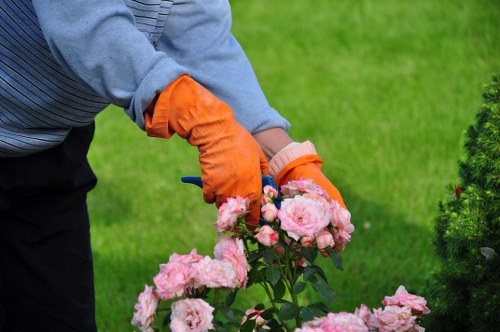
The cost of garden work is usually shaped by the size of the area, the amount of growth, the number of tasks involved and how straightforward the access is. A simple mowing visit is very different from a clearance job that includes heavy cutting, bagging and removal of waste. If the garden has tight access, several levels or a large quantity of material to move, that can also affect the time needed and the way the work is organised.
It is also sensible to consider whether the job needs disposal, sorting or repeat visits. Some customers want only the visible work completed, while others need clippings and debris removed as part of the same appointment. If a garden includes a mix of soft growth, woody stems and hard landscaping, the balance of labour may vary from one area to the next. We can quote more confidently when the overall picture is clear.
If you are planning several tasks together, combining them can be more efficient than arranging each one separately. For example, hedge trimming, mowing and border tidy-up often fit well in a single visit, especially where the aim is a complete refresh rather than a single isolated job. Request a quotation when you are ready, or use the details below to describe the work you need in your own words.
Choosing The Right Level Of Service
Not every garden needs the same level of intervention, so the right service depends on the current condition and the result you want. A maintained garden may only need routine mowing and a few finishing touches. A less controlled space may need clearance first, then trimming and shaping, followed by a maintenance plan that keeps everything in order. The useful decision is often whether the priority is recovery, refinement or ongoing care.
Where a garden already has a clear layout, the service may focus on preserving that structure. In a more overgrown space, the first objective is usually to expose the existing features and remove excess growth that is hiding them. Once that has been done, it becomes easier to judge what else is needed. In both cases, the work should support the garden’s layout rather than forcing it into an unsuitable finish.
If you are unsure which option fits best, a short description of the current state and the end result you want is usually enough to begin. You can then ask for a quotation based on the main tasks, the access and any practical limits. Send your enquiry for a quotation once you are ready to compare options.