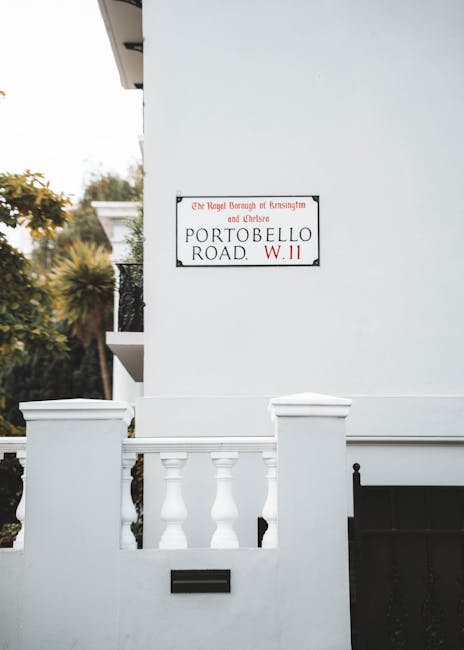
Portobello Road garden maintenance experts in Notting Hill
If you live near Portobello Road, you already know the rhythm of the place: busy pavements, compact gardens, a mix of elegant terraces and tucked-away courtyards, and weather that can make a neat border look unruly in a week. That is exactly why Portobello Road garden maintenance experts in Notting Hill matter. They are not just there to "mow and go". They help keep outdoor spaces healthy, presentable, and manageable in a part of London where space is precious and first impressions count.
This guide explains what professional garden maintenance actually involves, how it works in a Notting Hill setting, what to look for, and how to avoid the common mistakes that waste time and money. If you are weighing up regular upkeep, one-off tidies, or seasonal work, you will get a clear sense of what good service looks like and the next sensible step.
Table of Contents
- Why Portobello Road garden maintenance experts in Notting Hill Matters
- How Portobello Road garden maintenance experts in Notting Hill Works
- Key Benefits and Practical Advantages
- Who This Is For and When It Makes Sense
- Step-by-Step Guidance
- Expert Tips for Better Results
- Common Mistakes to Avoid
- Tools, Resources and Recommendations
- Law, Compliance, Standards, or Best Practice
- Options, Methods, or Comparison Table
- Case Study or Real-World Example
- Practical Checklist
- Conclusion
- Frequently Asked Questions
Why Portobello Road garden maintenance experts in Notting Hill Matters
Gardens around Portobello Road are often small, layered, and surprisingly demanding. A front lightwell can collect leaves from neighbouring trees. A narrow rear courtyard can go from charming to cluttered after a wet weekend. Climbing plants look lovely until they start swallowing railings, drains, or window frames. That is the daily reality, and it is why local maintenance expertise matters.
Good garden maintenance is not only about appearance. It helps prevent plant stress, keeps paths safer, improves drainage, and reduces the chance of expensive catch-up jobs later. In a dense part of west London, where outdoor areas are used hard and viewed often, small issues become visible quickly. A missed pruning window, a blocked gutter, or a tired lawn can make an entire property feel neglected.
There is also the local context. Notting Hill properties vary a lot, from family homes with hidden back gardens to managed courtyards and shared residential spaces. A maintenance approach that works in a suburban back garden may not suit a compact urban plot with limited access and neighbours close by. Truth be told, that is where specialist knowledge earns its keep.
Expert summary: The best garden maintenance in this area is not about overworking the space. It is about keeping everything tidy, healthy, and in proportion to the garden's size, light, access, and use.
If you are trying to compare providers, it helps to look beyond the word "gardening" and assess whether they understand seasonal planting, pruning timing, waste handling, and the practical realities of London properties. You can also start by reviewing the wider services overview to see how ongoing maintenance fits alongside other garden care options.
How Portobello Road garden maintenance experts in Notting Hill Works
Professional garden maintenance usually begins with a quick assessment of the site. That sounds obvious, but it makes a big difference. A reliable gardener will want to understand the size of the space, the condition of the planting, access for tools and waste, sunlight, irrigation, and any problem areas such as mossy paving, overgrown shrubs, or patchy turf.
From there, the work is typically planned around a maintenance cycle. For many Notting Hill gardens, that means a mix of regular visits and seasonal attention. Weekly or fortnightly care may be enough for some spaces. Others need more occasional but more intensive visits, especially if the garden has mature shrubs, a lot of pots, or fast-growing climbers.
A standard maintenance visit might include:
- lawn mowing and edging where applicable
- weeding beds, borders, paving, and gravel areas
- hedge trimming and shrub shaping
- deadheading and light plant care
- clearing leaves and general debris
- checking for obvious drainage or watering issues
- bagging and removing green waste responsibly
In more detailed arrangements, maintenance can also include seasonal pruning, planting refreshes, soil improvement, container care, and advice on what to cut back and when. A good gardener does not just follow a timetable; they read the garden. That might mean noticing that a south-facing wall is drying out one border faster than expected, or that the shade under a nearby building is making a certain plant unhappy. Small things, but they matter.
Operationally, good service also means clear communication. You should know when the visit is happening, what is included, what is excluded, and whether any work may need approval first. If the provider offers transparent arrangements, check their pricing and quotes information early on so you understand how the service is scoped.
Key Benefits and Practical Advantages
The obvious benefit is a better-looking garden. But that is only the beginning.
1. Better plant health. Regular maintenance stops problems building up. Light pruning at the right time, removing diseased growth, and keeping soil around plants clear can all help a garden recover its shape and vitality. Let's face it, plants do not appreciate being ignored and then suddenly attacked with secateurs in a panic.
2. Less expensive remedial work. A garden that is looked after consistently is usually cheaper to manage over the year than one that needs repeated rescue sessions. Overgrown shrubs, self-seeded weeds, and congested borders are all more time-consuming to reset than to maintain.
3. Safer access and cleaner surfaces. In urban gardens, slippery paving, low branches, and hidden debris are common annoyances. Regular clearing and trimming reduces trip hazards and helps outdoor areas feel usable, not just decorative.
4. Better use of small spaces. Space in Notting Hill is often at a premium. Maintenance experts can make a compact garden feel much larger by keeping sightlines open, limiting visual clutter, and prioritising plants that suit the scale of the space.
5. More predictable seasonal transitions. The shift from late winter to spring, and from summer into autumn, can be a bit dramatic in London gardens. A maintenance plan helps you stay ahead of the transition instead of reacting after everything has bolted, browned, or dropped half its leaves on the patio.
6. Easier hosting and everyday enjoyment. A neat garden is more inviting for coffee, family time, or a quiet evening after work. That has real value. Many people underestimate the emotional lift of stepping into an outdoor space that feels cared for.
Who This Is For and When It Makes Sense
Garden maintenance services near Portobello Road are not only for large homes or luxury properties. In practice, they suit a wide range of people and situations.
- Busy homeowners who want a presentable garden without spending their weekends on routine upkeep
- Landlords and property managers who need outdoor spaces kept tidy between tenancies or for viewings
- Flat owners with shared outdoor areas where consistent maintenance supports a good communal standard
- Older residents who prefer expert help with heavier or higher-risk tasks
- New homeowners trying to understand what a neglected garden needs before starting a bigger redesign
- Businesses and hospitality venues that rely on a neat frontage or courtyard to support the customer experience
It makes sense to bring in professionals when the garden is getting away from you, but also before that point. If a space starts taking longer and longer to keep tidy, that is usually a sign the maintenance plan is not matching the garden's actual needs. A quick reset can help, though sometimes a more structured routine is the better answer.
As a rough rule, if you are noticing the same jobs every visit - weeds, leaf fall, border overgrowth, light pruning - a regular schedule will often be more efficient than occasional rescue work. And if you are unsure, a proper conversation about the garden's condition is worth more than a rushed quotation based on a photo alone.
Step-by-Step Guidance
If you are hiring or planning maintenance for a garden near Portobello Road, the process is usually more straightforward than people expect. The key is to approach it in the right order.
- Walk the space properly. Look at what is growing, what is failing, and what is just messy. Try to separate urgent issues from cosmetic ones.
- Decide your priorities. For some gardens, appearance matters most. For others, the top priorities are safety, weed control, or restoring plants after a long period of neglect.
- Choose the right service frequency. Weekly, fortnightly, monthly, or seasonal? It depends on plant growth, usage, and budget. A tiny courtyard with pots may not need the same attention as a mature planted garden.
- Ask what is included. A clear scope should cover mowing, edging, pruning, waste removal, and any extras such as planting or pressure cleaning if relevant.
- Check access and logistics. In London, access is often the hidden issue. Narrow side passages, shared entrances, parking, and waste disposal can all affect timing and price.
- Agree on seasonal work. Spring tidy-ups, summer maintenance, autumn leaf clearance, and winter pruning all need different planning.
- Review results after the first visit. A good contractor will welcome feedback and adjust the approach. If something looks overdone or underdone, say so early.
A useful way to think about it: maintenance is not a one-off event, it is a rhythm. Once the rhythm is right, everything gets easier. The garden looks better, but so does the experience of owning it. That part tends to be underestimated.
Expert Tips for Better Results
After enough garden visits, certain patterns become obvious. A few small decisions make a big difference over time.
Match the maintenance to the microclimate. One corner may be damp and shaded while another is hot and exposed. The same plant care won't suit both. In compact Notting Hill gardens, these differences can be sharp, especially near walls and light wells.
Do less, more often. Small, regular interventions usually keep a garden healthier than irregular heavy cuts. This is especially true for shrubs, climbers, and container plants. Over-pruning tends to create more problems than it solves. Not always, but often enough.
Watch the soil, not just the leaves. Soil compaction, poor drainage, and thinning mulch are common reasons plants struggle. A tidy surface can hide a tired root zone underneath, so it helps to look below the obvious.
Keep an eye on boundaries. In close-knit streets, a hedge or climber that is growing across a fence line can quickly become a neighbourly issue. Small corrections now save awkward conversations later. Nobody wants that at 8:15 on a Saturday morning.
Use seasonal windows wisely. Some tasks are best done in a specific season. You do not need to become a plant encyclopaedia, but basic timing matters. Pruning at the wrong time can reduce flowering or stress the plant. A practical gardener should be able to explain the reason, not just the action.
Ask for honest recommendations. Sometimes the best advice is that a plant is in the wrong place, or a border needs simplifying rather than endlessly feeding. A trustworthy expert will say so without turning every suggestion into a sales pitch.
Small details count. A clean edge, a properly tied climber, a pot moved into better light. These are not dramatic interventions, but they add up fast.
Common Mistakes to Avoid
Most garden maintenance problems come from a few familiar habits. The good news? They are fixable.
- Waiting too long between visits. A garden can go from tidy to unmanageable surprisingly quickly, especially after rain and mild weather.
- Over-cutting shrubs and hedges. Too much trimming at the wrong time can weaken shape and flowering. A neat result is not always a healthy one.
- Ignoring waste removal. Cuttings, leaves, and debris need to leave the site somehow. If that is not built into the plan, you may end up with piles sitting around for days.
- Choosing a service only on price. Cheaper is not always better if the result creates more work later. It can be a false economy.
- Failing to define the brief. "Tidy up the garden" means different things to different people. Be specific about what you want to see happen.
- Forgetting seasonal priorities. Autumn clearance, winter protection, and spring resets all need different attention. Treating them the same leads to patchy results.
One of the most common frustrations is expecting a maintenance visit to solve years of neglect in one go. Sometimes it can. Often it cannot, at least not without a larger reset. That is not a failure. It is just the honest shape of the work.
Tools, Resources and Recommendations
A professional garden maintenance setup does not need to be flashy. In fact, the best kit is often the least dramatic. What matters is whether the right tools are used safely and appropriately for the space.
| Task | Typical tools or methods | Why it matters |
|---|---|---|
| Mowing and edging | Light mower, strimmer, edging tools | Keeps lawns neat and prevents overgrowth at borders |
| Pruning and shaping | Secateurs, loppers, pruning saw | Supports plant health and controlled growth |
| Weed control | Hand weeding tools, hoe, mulch | Reduces competition and keeps borders clean |
| Leaf clearance | Rake, blower where suitable, collection sacks | Prevents slippery surfaces and blocked drains |
| Plant support | Canes, ties, soft ties, clips | Helps climbers and taller plants stay upright |
| Waste handling | Reusable bags, sorting, responsible disposal | Improves site tidiness and reduces disruption |
For homeowners, the most useful "resource" is usually a simple maintenance calendar. It does not need to be fancy. Just a note of what happens in each season is enough to stop jobs getting forgotten until everything is suddenly overgrown. A bit old-school, perhaps, but effective.
If sustainability matters to you, ask about composting, recycling, and low-waste practices. You can also review the company's recycling and sustainability approach to understand how green waste and materials are handled. That can be a deciding factor for some clients, especially in shared buildings or managed properties.
For trust and working practices, it is also sensible to look at the provider's about us page so you know who you are dealing with and what kind of local experience they bring.
Law, Compliance, Standards, or Best Practice
Garden maintenance is not the most regulated service in the world, but there are still important duties and standards to take seriously. Safety, access, insurance, waste handling, and clear customer communication all matter.
At a practical level, a professional provider should work in a way that avoids unnecessary risk to people, property, and plants. That includes using tools properly, keeping walkways clear, managing ladders and cutting equipment responsibly, and not leaving hazards behind after the job. If they are working around shared entrances or public-facing frontages, they should be especially careful.
You should also expect straightforward communication around insurance and safety arrangements. It is perfectly reasonable to ask how the contractor protects themselves and your property, what happens if something goes wrong, and how complaints are handled if there is an issue. Clear answers are a good sign; vague ones are not.
For that reason, these pages can be useful when you are reviewing a provider:
- health and safety policy
- insurance and safety information
- terms and conditions
- complaints procedure
- payment and security
If you are arranging work in a shared property or where access needs to be coordinated carefully, this is not just paperwork. It is part of professional service. A tidy garden is lovely. A tidy process is even better.
Options, Methods, or Comparison Table
Not every garden needs the same type of maintenance. The right choice depends on how the space is used, how fast it grows, and how much you want to hand over.
| Option | Best for | Pros | Watch out for |
|---|---|---|---|
| One-off tidy-up | Neglected gardens, pre-sale prep, seasonal reset | Quick improvement, useful for a fresh start | Does not prevent regrowth without follow-up |
| Regular maintenance | Busy homes, shared gardens, busy commercial spaces | Consistent appearance and healthier planting | Needs a clear schedule and scope |
| Seasonal visits | Low-growth spaces or lower-traffic gardens | Good balance of cost and upkeep | May not suit fast-growing or heavily used gardens |
| Project-led maintenance | Gardens needing repair, replanting, or structure changes | Useful when the space needs improvement, not just upkeep | Can take longer and require more decisions |
In many cases, a mixed approach works best. For example, a courtyard might need monthly maintenance most of the year, plus a stronger spring clean and an autumn leaf clearance. That is often more realistic than trying to force the garden into one rigid pattern.
Case Study or Real-World Example
Here is a practical example based on a very common Notting Hill scenario.
A homeowner near Portobello Road had a compact back garden with three raised beds, a narrow lawn strip, two mature shrubs, and several containers. The garden looked fine from the kitchen window, but by late spring the borders were crowded, the paving was slippery in places, and one shrub had started to lean into the path. Nothing dramatic. Just the sort of garden that quietly becomes hard to manage.
The first visit focused on clearing weeds, removing dead material, trimming back the shrub, and re-edging the lawn. The gardener then flagged two follow-up actions: one plant needed replacing because it had outgrown its spot, and the containers needed a better watering routine. The garden did not need a full redesign. It needed structure and rhythm.
After that, the owners moved to a monthly maintenance plan, with a slightly fuller visit in spring and another in autumn. The main benefit was not just appearance, though that improved. It was ease. The garden started feeling like a useful part of the home again instead of one more thing on the to-do list.
That is often the real win in this kind of service. Not perfection. Relief.
Practical Checklist
Use this checklist when comparing Portobello Road garden maintenance experts in Notting Hill or preparing for a first visit.
- Have you clearly described the size and layout of the garden?
- Do you know whether you need one-off, seasonal, or regular maintenance?
- Have you listed the main jobs you want done?
- Have you asked what is included in the quote?
- Do you understand how waste will be removed or recycled?
- Have you checked access, parking, or site entry details?
- Have you discussed timing for pruning, planting, and leaf clearance?
- Do you know who to contact if something changes?
- Have you reviewed the provider's safety and insurance information?
- Do you have a follow-up plan for ongoing upkeep?
Quick takeaway: the best results come from clear expectations, seasonal timing, and a maintenance plan that suits the size and pace of your garden.
Conclusion
Finding the right garden maintenance support near Portobello Road is really about confidence. You want someone who understands the local setting, respects the space, and knows how to keep a garden looking good without overcomplicating the job. In Notting Hill, where gardens are often compact, visible, and used often, that kind of steady expertise makes a noticeable difference.
Whether you need a one-off tidy-up, a seasonal reset, or ongoing care, the right approach is practical, responsive, and honest about what the garden needs right now. That is what good maintenance is supposed to feel like: calm, consistent, and quietly effective.
Get a free quote today and see how much you can save.
If you are ready to explore the next step, you can also contact the team for a straightforward discussion about your garden, your priorities, and the level of support that makes sense. It is often the simplest first step that gives the biggest sense of relief.
Frequently Asked Questions
What do Portobello Road garden maintenance experts in Notting Hill usually do?
They normally handle routine garden care such as mowing, edging, weeding, pruning, deadheading, leaf clearance, and waste removal. Some also help with planting, seasonal tidy-ups, and longer-term upkeep planning.
How often should a garden in Notting Hill be maintained?
That depends on the garden's size, planting style, and use. Some compact spaces only need monthly or seasonal attention, while busier or faster-growing gardens may need weekly or fortnightly visits.
Is a one-off garden tidy-up enough?
Sometimes, yes. It is useful for neglected gardens, pre-sale preparation, or a seasonal reset. But if the garden keeps getting overgrown quickly, regular maintenance is usually more effective.
Do garden maintenance services remove waste?
They usually should, though it is wise to confirm this in advance. Green waste handling, disposal, and recycling are practical parts of the job, not an afterthought.
What should I ask before booking garden maintenance?
Ask what is included, how often visits are recommended, whether waste removal is covered, how access is handled, and how pricing is structured. Clear answers early on save a lot of hassle later.
How do I know if my garden needs maintenance or a bigger redesign?
If the space is basically healthy but untidy, maintenance may be enough. If the layout does not work, plants are failing in the wrong places, or drainage and structure are causing repeated problems, a broader improvement plan may be better.
Are small courtyard gardens harder to maintain?
They can be, yes. Smaller gardens often have tighter access, more shade variation, and faster buildup of clutter or leaf fall. They need careful, proportionate maintenance rather than heavy-handed work.
Can maintenance help improve plant health?
Absolutely. Regular pruning, weeding, feeding where appropriate, and soil care all help plants stay healthy. The key is timing and moderation, not just cutting everything back.
What if I only need help with certain tasks?
That is very common. Many people just need support with hedges, leaf clearance, border weeding, or seasonal jobs. A good provider can usually tailor the service to what the garden actually needs.
How can I compare different garden maintenance providers fairly?
Look at scope, reliability, communication, safety, insurance, and whether the provider seems to understand your type of garden. Price matters, of course, but it should not be the only deciding factor.
Do I need to prepare the garden before the first visit?
Usually just a little. Clear access, flag any fragile items, mention areas of concern, and tell the gardener about any plants you want kept or avoided. That small bit of preparation helps a lot.
Where can I find more information about service standards and policies?
You can review helpful pages such as the services overview, health and safety policy, insurance and safety information, and pricing and quotes page for a clearer picture of how the service is organised.