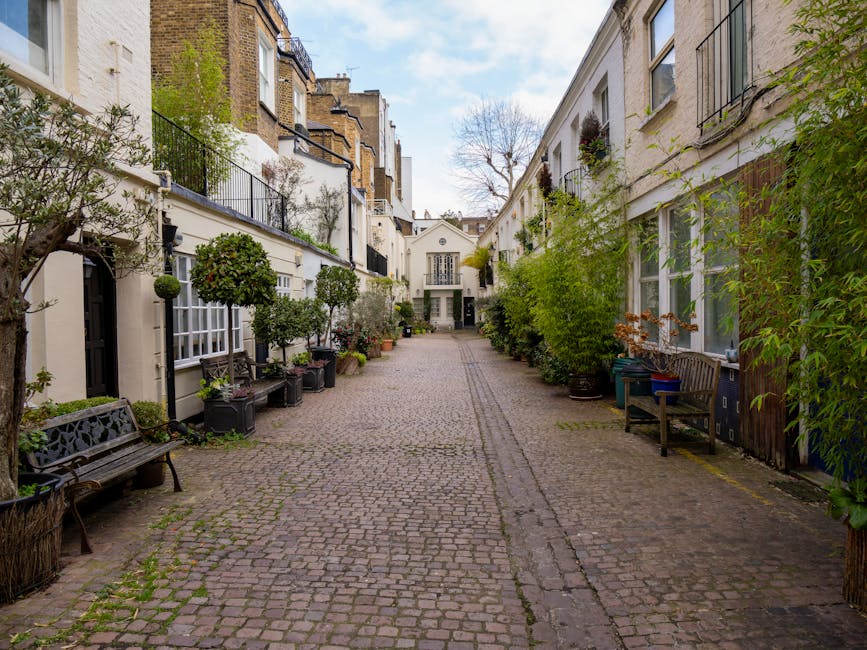
Access and Timing Problems for Gardeners in Notting Hill Mews
Gardening in Notting Hill mews can look straightforward from the street, but anyone who has actually tried to get tools, plants, waste bags, or even a compact mower through a tight passage knows the reality is different. Access and timing problems for gardeners in Notting Hill mews are not minor inconveniences; they shape the whole job. A missed delivery window, a blocked gate, a resident who is out at the wrong time, or a van that cannot stop safely can turn a simple maintenance visit into a long, awkward day.
If you manage a mews garden, hire a gardener, or coordinate work for a managed property, this guide will help you understand what usually goes wrong, why it matters, and how to plan more smoothly. We will look at practical access constraints, timing choices, common mistakes, best practices, and the sort of small adjustments that save time, money, and a fair bit of stress.
In short: good gardening in a mews is as much about logistics as it is about pruning, mowing, and planting. Get the timing wrong and everything feels harder. Get it right, and the whole job flows.
Why Access and timing problems for gardeners in Notting Hill mews Matters
Notting Hill mews properties often have a very particular layout: narrow lanes, discreet entrances, private gates, shared courtyards, limited parking, and garden spaces that are compact but detailed. That mix is charming. It is also fiddly. A gardener may arrive ready to work, only to find that the side gate is locked, the access code has changed, or the van cannot safely unload within sensible walking distance. That lost ten minutes can easily become half an hour once the kit starts moving by hand.
Timing matters just as much. Some mews gardens sit behind homes where residents work from home, have school runs, or expect quiet periods. Others are on managed blocks where access is only available at set times. A gardener might need to trim a hedge before bin collection day, clear green waste before a concierge shift changes, or complete mowing early enough to avoid bothering neighbours. These are not dramatic problems, but they are the kind that decide whether work feels efficient or a bit messy.
There is also the simple fact that many garden tasks depend on other people being present. If someone needs to open a courtyard, move a car, point out a water tap, or approve a change on site, the appointment time suddenly becomes more important than the task itself. That is why access planning is not admin for the sake of admin. It is part of the job.
Practical summary: in a mews setting, gardening success depends on a three-way balance between access, timing, and communication. If one of those slips, the rest of the visit usually follows.
For clients wanting a broader picture of how services are organised, the services overview is a useful place to understand the range of work that can be scheduled around these access constraints. If you are comparing ongoing care with one-off clearance, the difference in timing needs can be surprisingly large.
How Access and timing problems for gardeners in Notting Hill mews Works
At ground level, the issue is simple: a gardener needs to get people, tools, materials, and waste in and out with minimum disruption. In a standard suburban garden, that usually means a driveway, side passage, or street parking nearby. In a mews, the same job may involve a narrow entrance, shared ownership rules, awkward turning space, and neighbours who quite reasonably want the lane kept clear.
Access problems usually fall into a few familiar buckets:
- Physical access: the route is too narrow for larger equipment, awkward for wheelbarrows, or blocked by bikes, bins, and parked cars.
- Key or code access: someone has to be on site, or the access details are missing, outdated, or not shared clearly.
- Loading access: there is nowhere sensible to unload materials, so tools have to be carried further than expected.
- Waste movement: cuttings, soil, and bulky garden waste need repeated trips out to the vehicle or storage point.
- Neighbour coordination: shared gates, common passages, and tight boundaries can require advance notice.
Timing problems are usually linked to that access picture. A visit booked for a quiet mid-morning slot may be ideal for residents, but terrible if delivery lorries are already using the lane. An early start may be efficient for hedge trimming, yet unacceptable if it wakes a sleeping household or clashes with school traffic. To be fair, there is no perfect one-size-fits-all slot. The best option depends on the property and the type of work.
For example, a light maintenance visit may only need a brief slot when a resident is home to provide access. Garden clearance, by contrast, may need a longer window because waste accumulation, bagging, and loading all take time. If tree work is involved, the timing question becomes even more important because the site may need a calmer period, clearer access, and extra safety checks. If that sounds obvious, it should be. Yet this is exactly where projects get delayed.
Many teams find it helpful to think in terms of arrival access, working access, and exit access. Can the gardener get in? Can they move around while working? Can they leave without blocking the lane or damaging planted borders? Those three questions catch most issues before they become problems.
Where maintenance is regular, a planned cadence often works best. A service such as garden maintenance is usually much easier to manage when there is a stable routine, shared expectations, and a known access arrangement. That sounds simple, but it saves a lot of back-and-forth later.
Key Benefits and Practical Advantages
Getting access and timing right is not only about avoiding frustration. It changes the quality of the gardening service itself. When the gardener can work without repeated interruptions, they spend more of the booked time on actual horticultural tasks and less on logistical work. That usually means a better result, a tidier finish, and fewer follow-up visits for unfinished bits.
Here are the main practical advantages:
- More efficient visits: less time is lost opening gates, shifting cars, or carrying tools the long way round.
- Cleaner results: waste can be removed in a sensible sequence, rather than left waiting in piles.
- Lower disruption: good timing means less noise at awkward hours and fewer neighbour complaints.
- Better safety: fewer rushed movements in tight spaces reduce the chance of slips, trips, and minor damage.
- More accurate quotes: if access is understood in advance, estimates can be more realistic.
There is also a trust benefit. When access has been thought through, the client feels looked after. The gardener feels prepared. The job tends to start on calmer terms, which matters more than people admit. Nobody enjoys that slightly awkward five-minute stare at a locked gate while everyone tries to work out who has the key. We have all seen that scene.
For larger jobs, the benefit is even greater. If you are comparing a simple trim against a more involved transformation, access planning may be the factor that decides whether a project is done in one session or split across several. A company offering landscape gardening or landscaping will often need to think in phases, because materials, waste, and working room all matter more than they do on a standard front garden.
Who This Is For and When It Makes Sense
This topic matters to quite a few people, not just gardeners. If you own a mews property, manage a small residential development, oversee a garden square, or book outside contractors for a private lane, you will probably run into these issues sooner or later. It also matters if you are a tenant who wants regular gardening but cannot simply leave access open all day.
The people who most often benefit from a more deliberate approach include:
- Homeowners in mews houses who need occasional maintenance or seasonal tidy-ups.
- Letting agents and property managers coordinating work between occupiers and contractors.
- Residents with shared access who need to avoid conflict over gates, paths, or parking.
- Busy professionals who may only be available for a short appointment window.
- Anyone arranging recurring visits such as lawn care, hedge work, or planting refreshes.
It makes sense whenever the garden is not freely accessible from the street or when work has to fit around a narrow routine. That includes school-run hours, bin collection days, concierge schedules, and periods when residents prefer quiet. If the site is tiny but intricate, timing can matter even more because every movement takes longer. Small spaces often demand more patience, not less.
A one-off service like garden clearance may need extra coordination because access is often needed for bags, barrows, and collection points. Meanwhile, lawn mowing is usually simpler, but even that can become awkward if there is no direct route or the mower must be carried through shared areas.
Step-by-Step Guidance
If you want fewer delays and a calmer gardening day, the answer is usually preparation. Here is a practical sequence that works well for mews properties.
- Map the access route before the visit. Identify gates, side passages, steps, narrow turns, and any shared spaces. If a wheelbarrow will not fit through a gap, say so early.
- Confirm who will provide entry. Make sure the right person knows the appointment time and how to open the property. Shared homes often rely on assumptions, and assumptions are where access problems like to hide.
- Agree the working window, not just the arrival time. A 9 a.m. arrival sounds fine, but can the team stay until the work is finished? If not, split the job into realistic chunks.
- Check for parking or unloading restrictions. In mews lanes, even temporary stopping can be sensitive. A gardener may need to park further away and carry materials in stages.
- Identify likely noise or disruption periods. Hedge trimming, pruning, cutting, and leaf blowing are all more noticeable in a quiet lane than on a busy road.
- Prepare the site. Move bikes, vehicles, bins, and fragile pot plants out of the route. It sounds obvious. It still helps immensely.
- Review waste handling. Decide in advance where green waste will be bagged, stored, and collected. Clearance work goes much smoother when this is not improvised.
- Leave a fallback contact. If the gardener is delayed or the gate code changes, someone should be reachable. A missed call can save a wasted slot.
In practice, this process is less about bureaucracy and more about removing friction. The smoother the access, the better the gardening. Simple as that.
For work involving taller growth or overhanging branches, it can help to review a dedicated service such as hedge trimming or, where needed, tree lopping and removal. Those jobs often need more room, more time, and a clearer plan than a quick tidy.
Expert Tips for Better Results
There are a few habits that make a noticeable difference. None of them are glamorous, but they work.
First, book with a little breathing room. A mews job packed too tightly between other commitments tends to run late. If one gate is slow or waste needs a second run, the pressure mounts fast. An extra fifteen or twenty minutes in the schedule can feel like a luxury, but it often stops the whole day from going sideways.
Second, use a consistent access protocol. The same gate code, the same key holder, the same meeting spot, the same note about parking. Consistency reduces mistakes. It also makes it easier for seasonal or repeat gardeners to work without re-learning the property every time.
Third, match the task to the time of day. Delicate planting, hand weeding, and pot maintenance are more forgiving in tighter periods. Noisy tasks, heavy lifting, and clearance work usually fit better when neighbours are less likely to be disturbed. Early morning sometimes works well, but not always. Not every lane enjoys a 7:30 start. Reality, unfortunately, has opinions.
Fourth, use maintenance frequency to your advantage. Small, regular visits are often easier than large, irregular ones. A garden kept on a steady cycle is simpler to access, easier to tidy, and less likely to need a massive clear-out that clogs the lane with waste bags.
Fifth, think about the exit before the entry. It is easy to plan how the team gets in. It is less common to plan how they leave with cuttings, tools, and any muddy kit. The exit route should be just as clear as the entrance.
If sustainability matters to you, ask about how waste is sorted and moved. Some jobs produce a surprising amount of green waste, and responsible disposal planning can reduce unnecessary trips. For a broader view of that approach, see the site's recycling and sustainability information.
Common Mistakes to Avoid
Most access and timing issues are preventable. The trouble is that people often assume the problem will sort itself out on the day. It usually does not.
- Leaving the gate situation vague: "Someone will be around" is not the same as a confirmed access plan.
- Forgetting about narrow equipment: A hand tool might fit; a mower or compost bag might not.
- Underestimating how long waste handling takes: Bagging, carrying, and loading often take longer than the cutting itself.
- Booking during a noisy or congested time: Shared lanes do not always suit peak traffic or delivery periods.
- Not moving obstacles beforehand: Bins, bicycles, scooters, and parked cars all eat time.
- Assuming every gardener works the same way: Some teams bring compact kit; some need more space. Ask rather than guess.
- Ignoring resident routines: A slot that works in theory can still clash with real life, and then everybody feels a bit put out.
One especially common mistake is treating a mews like a standard terrace garden. It is not. It behaves differently. The lanes are tighter, the timing is more sensitive, and the margin for error is smaller. That is not a complaint; it is just the shape of the place.
Another trap is overpromising what can be achieved in a single visit. If a property needs clearance, trimming, mowing, and planting changes all at once, that may be realistic only if access is excellent and the timing window is generous. If not, it is better to split the job than force it.
Tools, Resources and Recommendations
You do not need fancy systems to manage access well. A few simple tools and habits are enough.
- Written access notes: keep key instructions in one place, such as gate codes, contact names, and parking guidance.
- Photo references: a couple of clear photos of entrances, side gates, and narrow turns can prevent confusion before the appointment.
- Site checklist: note where water is, where waste should go, and which areas are sensitive or private.
- Calendar reminders: especially useful when access changes by season or by resident availability.
- Compact equipment: for tight sites, lighter and smaller tools can be more effective than bigger machines that are hard to move around.
From a service perspective, it helps to work with a provider that understands different job types and can advise on sequencing. A recurring garden maintenance visit will be planned differently from a one-off garden clearance, and that distinction matters in mews settings. If the property also includes built elements such as steps, retaining edges, or a small terrace area, a service like decking services may be relevant to longer-term access and usability.
If you want to understand the provider behind the work, the about us page is useful for getting a sense of the team's approach, while pricing and quotes helps when you are weighing up different visit patterns and service levels. No magic there, just practical information.
Law, Compliance, Standards, or Best Practice
For gardening in mews properties, compliance usually means working carefully within the practical and legal expectations that apply to shared residential spaces, safe manual handling, waste movement, and considerate noise. Exact requirements vary depending on the site, the local arrangements, and the work being carried out, so it is sensible to avoid guesswork.
In everyday terms, best practice usually includes the following:
- Safe access planning: avoid blocking exits, entrances, or communal routes.
- Clear communication: agree who is responsible for access and site contact on the day.
- Reasonable timing: choose working hours that respect neighbours and building routines.
- Careful handling of tools and waste: especially when carrying items through shared or tight areas.
- Risk awareness: wet paving, steps, low light, and narrow passages all increase trip risk.
Where larger or more complex jobs are involved, it is wise for contractors to operate with clear health and safety procedures, suitable insurance, and a sensible method statement for site work. If you are comparing providers, these are the details that should reassure you, not frighten you. They show the team has thought about the job properly.
You can also look for evidence of a structured approach to safety and operations in the site's health and safety policy and insurance and safety information. For service terms, the terms and conditions page is useful reading before confirming repeat work or complex access arrangements.
Nothing about this needs to feel legalistic or stiff. It is mostly about common sense and professional care. Still, common sense works better when it is written down.
Options, Methods, or Comparison Table
Different access and timing approaches suit different mews gardens. A quick comparison can help you decide what fits your property.
| Method | Best for | Strengths | Limitations |
|---|---|---|---|
| Short fixed-slot visits | Light maintenance, quick tidy-ups | Easy to schedule, minimal disruption | Can be tight if access is delayed |
| Longer scheduled windows | Clearance, pruning, heavier work | More breathing room, fewer rushed decisions | May require greater resident coordination |
| Regular recurring appointments | Ongoing garden care | Predictable, efficient, usually smoother access | Needs consistency from residents and contractor |
| Split-phase visits | Complex or multi-step jobs | Helps manage waste, access, and disruption separately | Can take longer overall |
For many Notting Hill mews gardens, recurring appointments are the most sensible option because they reduce the size of each job. But if the garden has been left for a while, a split-phase visit can be the better call. One big push is not always the best answer, even if it looks efficient on paper.
Think of it like this: if access is tricky, smaller and more predictable often beats ambitious and chaotic. There is a reason experienced gardeners tend to ask awkward questions before they arrive. They are not being fussy; they are trying to make the day work.
Case Study or Real-World Example
Here is a realistic example from a mews-style setup. A homeowner wanted a courtyard reset after a long wet spell. The space had a little lawn, several pots, a hedge line, and a narrow rear route shared with neighbours. On paper, it looked like a half-day visit. In practice, the route for bringing tools in was narrower than expected, and there was no easy place to stage waste bags without blocking the shared passage.
Instead of forcing everything into one cramped appointment, the work was broken into a cleaner sequence. First came a short access check and light clearance of the route. Then the main maintenance visit was scheduled at a quieter time of day, with the resident present to open the gate and confirm waste storage. The final tidy-up was handled once the heavier material had been removed. Nothing dramatic. Just better planning.
The result was a calmer day, less disturbance for neighbours, and a better finish on the garden itself. The client did not need constant chasing, and the gardener did not lose time guessing where things should go. The job felt orderly, which in a mews can be half the battle.
That kind of approach is especially useful if the work includes more than maintenance, for example if there is overgrown planting, tired borders, or a need to reshape the space. A combined project may involve landscape gardening or broader landscaping input, and those services benefit even more from a clear access plan.
Practical Checklist
Use this before any gardening visit in a Notting Hill mews property:
- Confirm who will provide access on the day.
- Check gate codes, keys, and opening instructions.
- Identify the narrowest part of the route.
- Move vehicles, bikes, bins, and loose items.
- Agree the best arrival and working window.
- Think about noise, neighbours, and shared spaces.
- Plan where waste will be bagged and collected.
- Make sure water access is clear if it is needed.
- Tell the gardener about any fragile plants, pets, or private areas.
- Leave a phone number for last-minute access issues.
Quick reminder: if something feels unclear, say so early. Early is good. Late is expensive.
Conclusion
Access and timing problems for gardeners in Notting Hill mews are not just operational details. They are central to how well the work gets done. A beautiful garden behind a narrow entrance still needs someone to reach it, work in it, and leave it without causing avoidable disruption. That is why the best results usually come from simple habits: clear communication, realistic timing, and a little respect for the quirks of the property.
When you plan properly, the gardening feels calmer, the result looks better, and the whole experience becomes more pleasant for everyone involved. Not perfect, perhaps. Real life rarely is. But definitely better.
If you are ready to organise a visit, compare service options, or make a recurring plan that suits a mews property, start with the practical details and build from there.
Get a free quote today and see how much you can save.
Frequently Asked Questions
Why are access and timing such a big issue in Notting Hill mews gardens?
Because the spaces are often narrow, shared, and sensitive to disruption. A gardener may need keys, codes, parking considerations, and a suitable time window just to complete ordinary work efficiently.
What is the best time of day for gardening in a mews property?
There is no single best time. Mid-morning often works well for less noisy jobs, while heavier or noisier work may be better when the lane is quieter. The right time depends on residents, neighbours, and access arrangements.
How much should I tell a gardener before the visit?
As much as is useful. Share access details, gate instructions, parking limitations, expected noise issues, and anything that might slow the team down. The more they know, the smoother the visit usually is.
Can a gardener work if nobody is home?
Sometimes yes, if access is secure and pre-arranged. In many mews properties, though, someone still needs to provide entry or confirm site details. It depends on the property and the agreed setup.
Do access issues affect the price of garden work?
They can. Tricky access, repeated carrying, or awkward timing may affect how long the job takes. That is why accurate information matters when you request a quote.
Is regular maintenance easier than one-off work in a mews?
Usually yes. Smaller, recurring visits are often easier to schedule and less disruptive than large one-off jobs that require more access, more time, and more waste handling.
What if my mews lane has shared parking?
Then coordination becomes extra important. Ask residents or managing agents to keep the route clear during the appointment, even if only for part of the visit.
What services are most affected by access problems?
Jobs that involve bulky tools, waste removal, or more movement around the site tend to be affected most. That includes clearance, hedge work, tree work, and larger landscaping jobs.
How do I prepare a mews garden before the gardener arrives?
Move obstacles, confirm entry details, clear the route, and decide where waste should go. A little preparation saves a lot of faffing about later.
Can access issues be managed for larger projects like landscaping?
Yes, but they need more planning. Larger projects often work best in phases so that materials, tools, and waste can be handled without crowding the lane or rushing the job.
Where can I find more information about the company and its service approach?
You can look at the about us page for background and the services overview for a broader picture of what can be arranged.
What should I do if I am unsure about access on the day?
Contact the gardener as early as possible and explain the uncertainty. A quick call can often prevent wasted time, missed visits, and avoidable stress. Honestly, it is one of those small things that pays off fast.